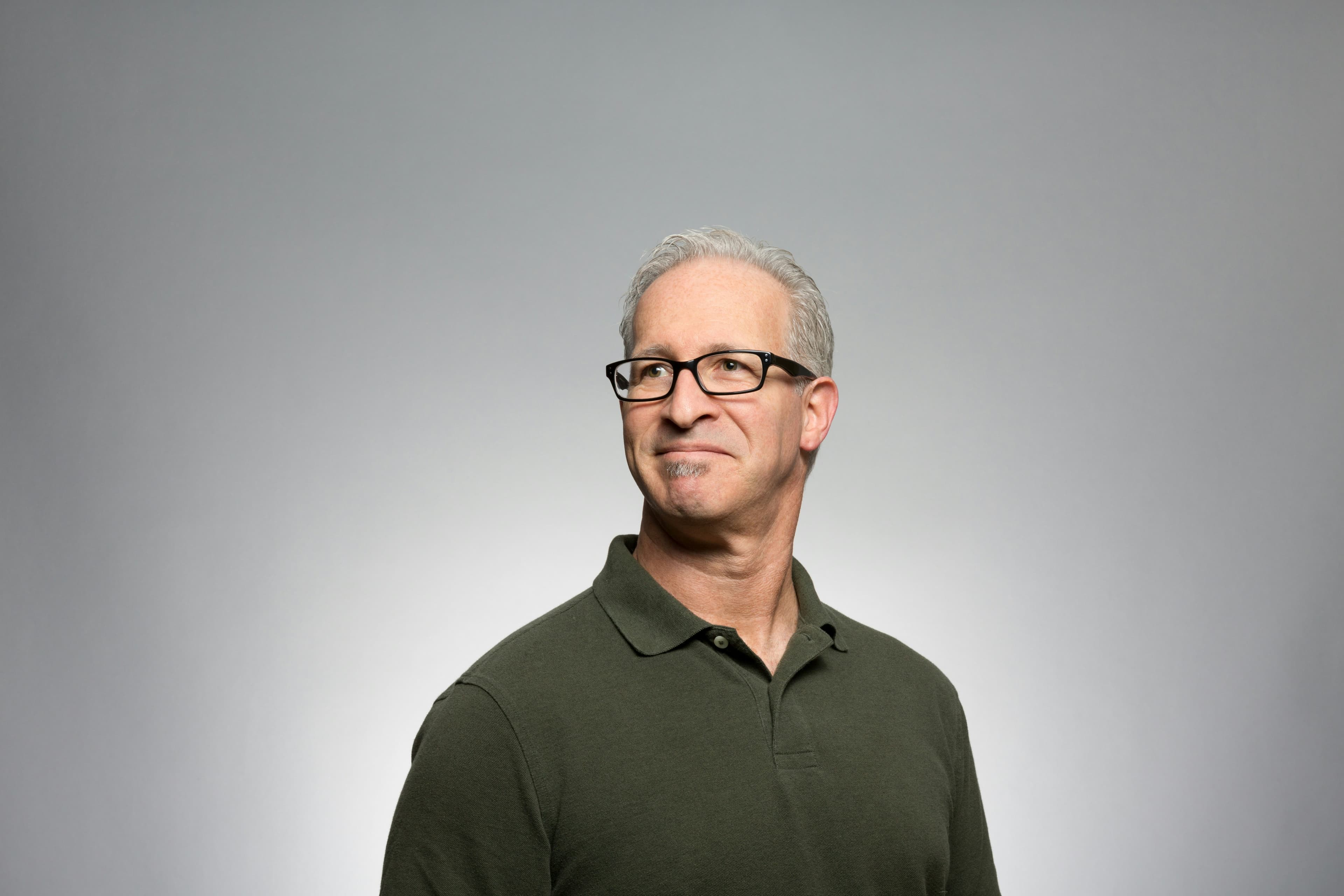
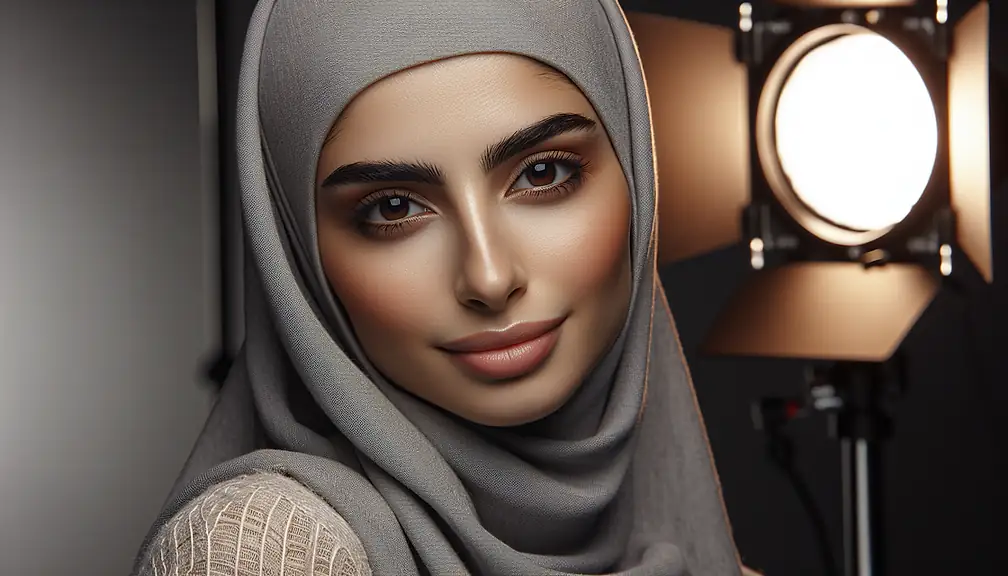
Understanding Facial Features
The key to realistic portraits is understanding how different facial features work together. Let's break down the essential elements:
- • Proportions - The relationship between facial features
- • Skin texture - Natural imperfections and details
- • Lighting - How it affects facial features
- • Expression - Natural and believable emotions
Basic Portrait Prompts
Let's start with some basic portrait prompts and gradually make them more sophisticated.
Basic Portrait Evolution:

Simple: 'portrait of a woman'
Better: 'photorealistic portrait of a young woman, natural lighting'
Best: 'highly detailed photorealistic portrait of a young woman, soft natural lighting, subtle skin texture, depth of field, shot on Canon EOS R5, 85mm f/1.4 lens, professional photography::1.2'

Key Elements to Include:
- Camera and lens details
- Lighting description
- Skin and texture details
- Professional photography referencesMastering Facial Features
Each facial feature needs special attention to achieve photorealism. Let's look at how to handle each one:
Eyes:
'sharp, clear eyes with natural catch lights, subtle limbal rings, detailed iris texture, proper eye moisture, natural eye bags::1.1'

Skin:
'natural skin texture with subtle imperfections, fine pores, slight color variations, soft subsurface scattering, natural skin shine::1.1'

Hair:
'detailed individual hair strands, natural fly-aways, proper hair shine, realistic hair texture, subtle color variations::1.1'

Complete Portrait:
'photorealistic portrait, sharp clear eyes with catch lights, natural skin texture with subtle imperfections, detailed hair strands, professional beauty photography, soft natural lighting, shot on Phase One IQ4, 100mm macro lens::1.2'Lighting Techniques
Lighting can dramatically affect the realism of your portraits. Let's explore different lighting setups:
- • Natural window light - Soft, flattering light
- • Rembrandt lighting - Dramatic, professional look
- • Butterfly lighting - Beauty and fashion style
- • Split lighting - Artistic and moody
Different Lighting Setups:

Natural Light:
'photorealistic portrait, soft natural window lighting from left side, subtle shadows, bright catchlights, shot on Sony A7R IV::1.2'

Studio Light:
'photorealistic portrait, professional studio lighting, main light at 45 degrees, silver reflector fill, black backdrop, shot on Hasselblad H6D::1.2'

Dramatic Light:
'photorealistic portrait, dramatic Rembrandt lighting, deep shadows, single strong catchlight, dark background, shot on Canon EOS R5::1.2'
Expression and Emotion
Creating natural expressions is crucial for photorealistic portraits. Let's explore how to achieve different emotions:
Natural Smile:
'photorealistic portrait, genuine warm smile, slight crinkles around eyes, natural expression, candid moment, shot on Nikon D850::1.2'

Thoughtful Look:
'photorealistic portrait, contemplative expression, subtle downward gaze, relaxed facial features, natural pose, shot on Fujifilm GFX 100S::1.2'

Confident Portrait:
'photorealistic portrait, confident expression, direct eye contact, slight smile, professional headshot style, shot on Canon R5::1.2'Common Portrait Mistakes
- • Unrealistic skin texture → Add subtle imperfections
- • Perfect symmetry → Allow for natural asymmetry
- • Flat lighting → Use directional lighting
- • Over-processed look → Maintain natural features
Fixing Common Mistakes:

Bad: 'perfect smooth skin, completely symmetrical face, extreme HDR'
Good: 'natural skin texture with subtle imperfections, slight natural asymmetry, balanced exposure'

Bad: 'extreme dramatic lighting with multiple colored lights'
Good: 'professional studio lighting with main light and subtle fill, natural skin tones'

Bad: 'ultra sharp detail everywhere in the image'
Good: 'sharp focus on eyes, natural depth of field falloff, subtle background blur'
Conclusion
Creating photorealistic portraits with AI is about finding the perfect balance between technical precision and natural imperfection. Remember that real people have subtle asymmetries and imperfections - these actually make portraits more believable. Keep practicing with different lighting setups and expressions, and always reference real photography for inspiration!